

Our company
Products
Services
Innovation
Sustainability
Touching lives
Plants
Investor relations
Life @ TCL
Media centre


  africa
  Asia
  Europe
  North America


Follow us on Follow us on Facebook Follow us on Twitter Follow us on Linkedin
home | contact us | sitemap
  home > sustainability > TCSRD
Bookmark and Share
 

Tata Chemicals Society for Rural Development

Ground zero | Global community | Participatory development | Projects

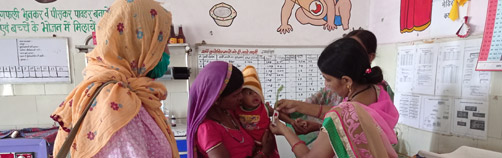
The concept and practice of sustainability is at the core of all Tata Chemicals' activities, including its corporate social responsibility initiatives. This is the basis for Tata Chemicals Society for Rural Development (TCSRD), the community intervention that is helping change the lives of hundreds of people that live around TCL factories across the globe.

TCSRD believes that sustainable community development ensures a better quality of life now, as well as for future generations. It involves resolving the current needs of the community without jeopardising the development needs of future generations.

The key element that TCSRD brings to the community is knowledge - knowledge of new methods of agriculture, better management of land and water resources, social and human capital management, and other tools of empowerment.

Ground zero
Tata Chemicals established TCSRD in Mithapur, India in 1980. It was born out of a need to engage, understand and address the requirements of its neighbouring community. When the fertiliser plant at Babrala was commissioned TCSRD became active in that area; on TCL acquiring the Haldia operations, TCSRD started its operations in that community.

TCSRD started its work by following a traditional philanthropy and welfare approach. It has since been continuously evolving, changing according to the needs of the people and the changing times. Today TCSRD is anchored to the concept of sustainability and this is reflected in all its activities and programmes.

Global community
As Tata Chemicals has grown and new companies and geographies have come within its global umbrella; the scope of TCSRD's operations has grown as well. For instance TCSRD has become involved, through Tata Chemicals Europe and Tata Chemicals Magadi, with communities in Europe and Kenya.

Community leaders from Kenya have visited TCSRD programmes at Mithapur and taken back with them the concepts of community participation and participatory development. TCSRD has engaged with the Kenyan community by training them in various processes, especially in management of water resources.

Participatory development
Participatory development is the mantra for TCSRD. It works in close partnership with all development agencies, be it the government, other non-governmental organisations or members of the community.

The key drivers at TCSRD are learning from others, and sharing and growing both in terms of reach and impact. In 2008, the 28th year of its inception, significant new initiatives have been started, including the setting up of rural BPOs and the Karjobi promotion at Babrala.

These are all steps in TCSRD's journey towards integrated sustainable development of all the regions that TCL operates in.

Projects

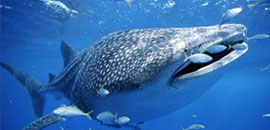
In the past year, TCSRD has focused on natural resource management, conservation of bio-diversity and development of entrepreneurship programmes to promote self-employment. On the conservation front, TCSRD recorded a first in India in 2011. A whale shark was tagged using a satellite transmitter to track and establish the migratory pattern of this endangered fish in the Indian Ocean. Other projects included rainwater harvesting and the commissioning of reverse osmosis plants to help improve drinking water quality.

Says group MD and TCSRD president R Mukundan: “Our country’s vision for sustainable development with social equity through effective public-private partnerships has always inspired Tata Chemicals. We have consistently demonstrated a concern for community, both internal and external, and a respect for environment.”

TCSRD is on track to achieve its goal of impacting the lives of a million people by 2015.


bullet
bullet
bullet
bullet
bullet